
What is it?
Holistic health is a comprehensive approach to wellness that nurtures the mind, body, emotions and spirit. Rather than addressing isolated symptoms, it takes a big-picture view, recognizing how each area of a person’s life influences the others. Holistic health aims to restore balance and promote well-being across all aspects of life.
With growing interest in natural health and preventive care, holistic healing has become a popular alternative to mainstream medicine, offering diverse and effective practices across many fields.
Types of holistic health
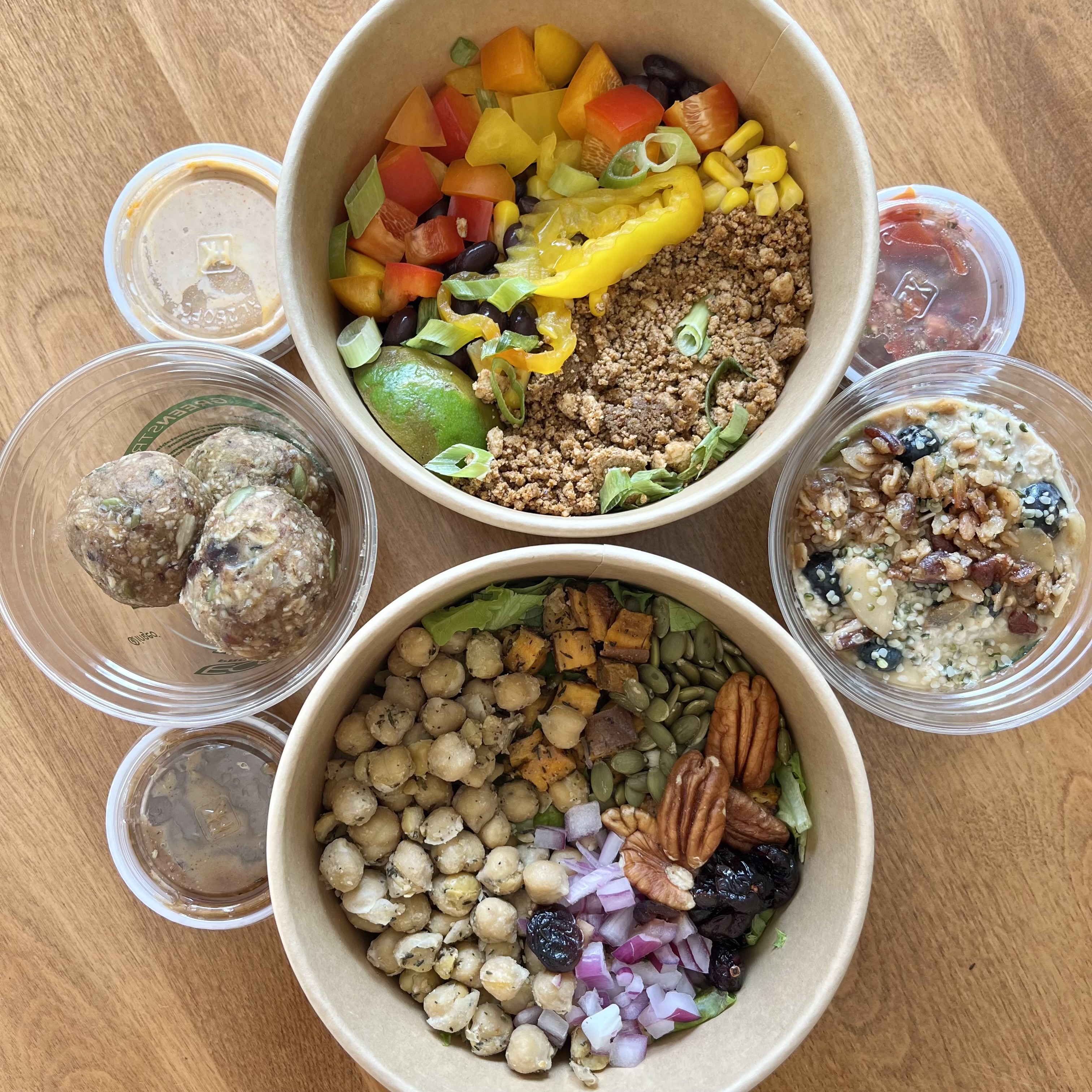
Physical health
Maintaining a healthy body through nutrition, movement and preventive care is at the heart of physical wellness. This includes both traditional therapies and natural healing practices to address physical ailments, improve vitality and prevent disease.
Modalities include …
- Nutrition and dietetics: Holistic nutritionists, naturopaths and dietitians use food as medicine, offering personalized dietary advice and supplements to enhance overall health.
- Fitness and movement therapy: Practices like yoga, Pilates and Tai Chi improve flexibility, strength and the mind-body connection, fostering both physical and mental wellness.
- Massage therapy and acupuncture: These therapies alleviate tension, boost circulation and support injury recovery, while balancing energy flow to stimulate the body’s natural healing process.
Mental health
A strong sense of cognitive functioning, mental clarity and effective problem-solving skills contribute significantly to overall mental wellness. Holistic mental health practices aim to reduce stress, enhance focus and promote mental resilience.
Modalities include …
- Counselling and coaching: Therapies like cognitive-behavioural therapy (CBT) and holistic counselling combine talk therapy with mind-body awareness to help individuals manage emotions and mental health.
- Mind-body medicine: Practices like meditation, mindfulness and biofeedback are used to reduce stress and enhance mental clarity.
- Neurofeedback and brainwave entertainment: These therapies train the brain to regulate its activity, helping to treat conditions like anxiety, depression and ADHD.


Emotional health
The ability to understand and manage feelings, stress and relationships is essential for fostering emotional well-being. Holistic approaches to emotional health often focus on techniques that release trapped emotions and promote self-awareness.
Modalities include …
- Energy healing: Practices like Reiki, sound therapy and Pranic healing use energy flow to release emotional blockages and encourage balance.
- Psychological acupressure: Methods such as Emotional Freedom Techniques (EFT) are used to release emotional blockages and reduce stress for treating anxiety, trauma and phobias.
- Art and music therapy: These therapies allow individuals to express and process emotions creatively, helping with anxiety, trauma and emotional stress.
Spiritual health
Often involving the exploration of personal beliefs, connection with nature and the practice of mindfulness, spiritual wellness focuses on discovering meaning and purpose in life.
Modalities include …
- Intuitive readings and psychic healing: Practices like channeling and mediumship offer insights from spiritual guides or deceased loved ones, guiding individuals on their life path and spiritual growth.
- Astrology and birth chart readings: These readings provide insights into a person’s life purpose, strengths and challenges, helping them align with their cosmic energies for personal growth.
- Shamanic healing: Practices like drumming, journeying and sacred plant medicine connect individuals to the spiritual realm, facilitating deep healing and reconnection with spiritual essence.


Social health
Strong social bonds reduce loneliness, enhance resilience and foster belonging. This interconnectedness provides emotional support and encourages healthy behaviours, making social wellness essential to holistic health.
Modalities include …
- Community circles and support groups: These in-person or virtual groups offer a space for individuals to share experiences, receive support and foster emotional healing.
- Holistic retreats: Wellness retreats create immersive environments for participants to connect, heal and grow together through group activities like yoga, meditation and workshops.
- Rituals and ceremonies: Ceremonial practices, such as seasonal celebrations, baby blessings or rites of passage, help nurture a sense of belonging, community and shared healing.
Pros and cons of holistic healing
Pros
Holistic approach
Focuses on treating the whole person, addressing not only symptoms but also underlying causes of illness, promoting overall well-being.
Personalized care
Practitioners often design individualized treatment plans based on unique needs, ensuring more effective and tailored solutions.
Prevention-focused
Prioritizes long-term wellness by encouraging lifestyle changes and preventive measures that reduce future health risks.
Natural remedies
Many treatments use natural ingredients and practices, which generally have fewer side effects compared to pharmaceutical options.
Empowerment
Promotes patient involvement in their own health, fostering a sense of control and responsibility for their well-being.
Cons
Limited insurance coverage
Although some holistic treatments are starting to be covered by health insurance, many are still not, which can limit access to these services.
Varied regulation & certification
Without standardized regulation, expertise can vary, making it harder to find qualified professionals. However, research, certifications and recommendations can help.
Delayed results
Holistic treatments, especially lifestyle changes, often take longer to show results, but their long-term approach often leads to more sustainable benefits than quick fixes.
Inconsistent availability & access
While some holistic services are becoming more common, others may be harder to find, especially in rural or underserved areas.
A new era of gatherings
With the growing shift toward prioritizing personal well-being, the way people experience events is changing. Today, attendees are seeking environments that reduce stress, foster connection and promote wellness.
As event organizers, it’s essential we adapt to this change.
By incorporating wellness practices into your gatherings, you’re offering more than a well-organized event—you’re creating a transformative experience. This approach allows your guests to pause, reflect and recharge, leaving them feeling rejuvenated and inspired.
When you invest in holistic health, you elevate the entire experience, creating lasting memories and deeper connections for your guests long after the event ends. Join the wellness movement today!

 Healers Haven